Introduction: The Foundation You Carry With You
Pelvic floor health is the cornerstone of how your body moves, breathes, and stabilizes itself. For many women, the pelvic floor is a “silent partner”—a hardworking group of muscles and tissues that sit at the base of the pelvis, supporting your internal organs and maintaining your core.
Because these muscles work quietly in the background, we often don’t think about them until our everyday movement or physical comfort begins to shift. Whether you are navigating your mid-20s, adjusting to a new fitness routine, or simply noticing changes in your body’s rhythm, understanding this foundation is the first step toward long-term confidence.
In this guide, we will break down the essentials of pelvic health—moving beyond the myths and focusing on how awareness can transform your daily life.
1. Understanding the Anatomy of Support
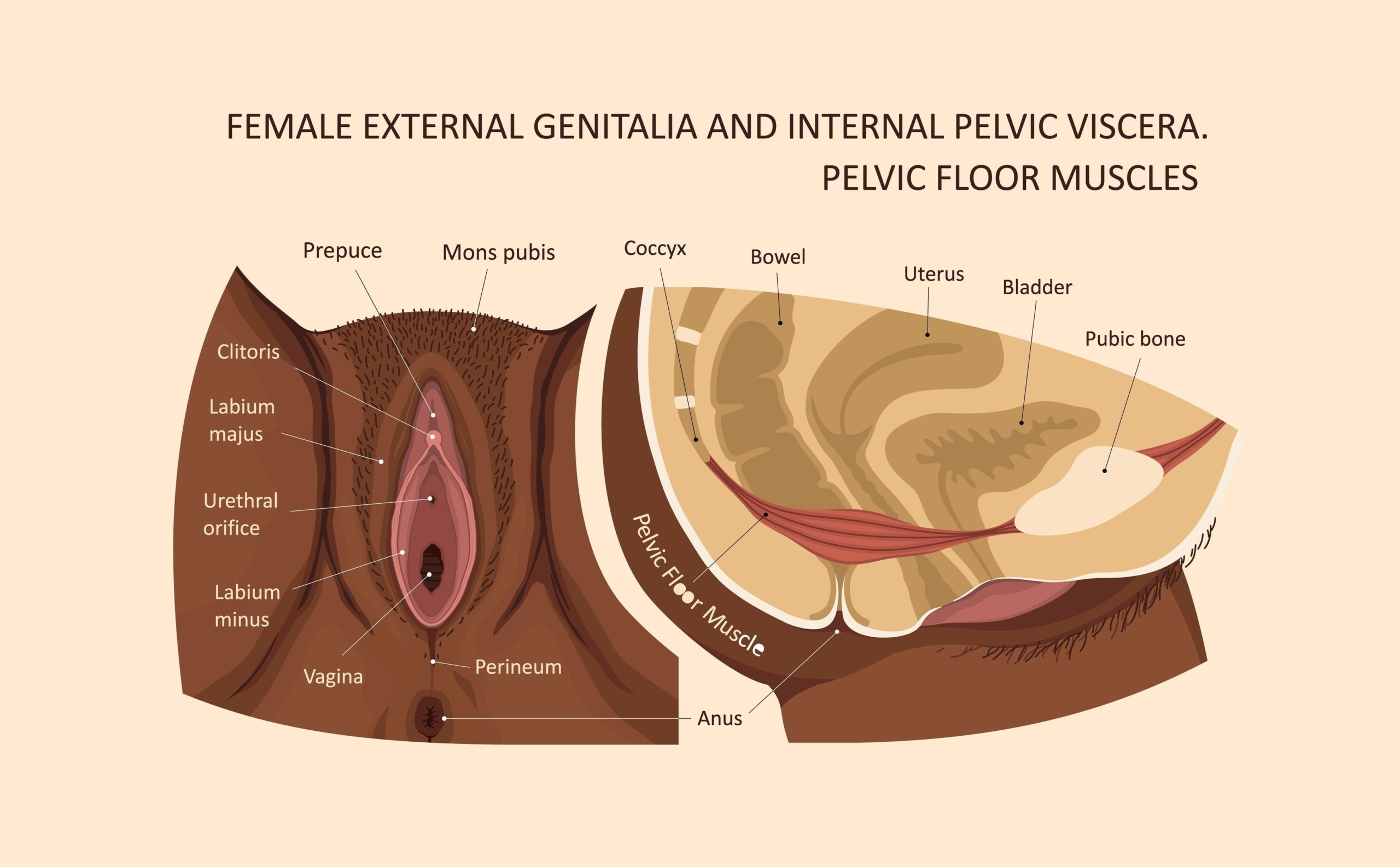
To understand pelvic floor health, you first have to understand what it is. Imagine a flexible, muscular “hammock” or “cradle” that stretches from your pubic bone at the front to your tailbone at the back.
This structure isn’t just one muscle; it’s a complex coordination of layers. Its primary job is to provide core stability and support the bladder, bowel, and uterus. When these muscles are balanced, they allow you to move with ease. However, they are also deeply connected to your diaphragm. When you breathe, your pelvic floor moves in a rhythmic dance with your lungs.
To dive deeper into the layers and functions of these muscles, read our full article on [The Anatomy of Support].
2. Why the Mid-20s Matter
A common misconception is that pelvic health is only a concern for those who have given birth or are entering senior years. In reality, many women begin to notice subtle shifts in their pelvic floor health starting in their mid-20s.
Why now? This is often the life stage where lifestyle, stress, and physical activity patterns change. Long hours sitting at a desk, high-impact fitness trends, or changes in hormonal cycles can all influence how these muscles hold tension. Recognizing these shifts early isn’t a sign that something is “wrong”—it’s an opportunity to adapt your habits to support your body’s evolution.
Explore why this life stage is a turning point in [The Mid-20s Shift].
3. Beyond the Myths: Breaking the Stigma
When we talk about pelvic health, we often run into outdated advice. You may have heard that “leaking is normal” or that “Kegels are the only answer.” Neither of these is entirely true.
The truth is that pelvic floor health is about balance—not just strength. Sometimes the muscles are too tight (hypertonic) and need to learn how to relax; other times they need better coordination. By Busting the Myths, we can stop settling for discomfort and start looking for real, functional support.
We’ve debunked the most common misconceptions in [Busting the Myths].
4. The Connection Between Posture and Movement
Your pelvic floor doesn’t work in isolation. It is the base of your “inner core canister.” This means that how you stand, sit, and walk directly impacts how much pressure is placed on your pelvic floor.
If you find yourself “tucking” your tailbone while standing or slouching at your desk, you might be accidentally making it harder for your pelvic floor to do its job. By aligning your posture and movement, you create a environment where your muscles can function without unnecessary strain.
Learn how to align your body for better support in [The Foundation of Movement].
5. Pelvic Floor Health and Core Strength
Many people think “core strength” is just about six-pack abs. But true core stability starts from the bottom up. The pelvic floor works alongside the deep abdominal muscles and the muscles of the back to create a stable center.
Without a functional pelvic floor, even the strongest athlete can experience instability. Understanding this link helps you train more effectively and protects your back and hips from injury.
Discover how to build strength from the inside out in [The Core Connection].
6. Listening to the Whispers: Subtle Signals
The body rarely “shouts” first; it usually whispers. Pelvic floor health symptoms can be incredibly subtle at the start—perhaps a slight feeling of heaviness after a long day or a change in how your lower back feels during a workout.
Awareness matters because these subtle signals are your body’s way of asking for a change in routine or a bit of extra care. Learning to interpret these signs early can prevent more significant challenges later on.
Find out what to look for in [The Silent Signal].
7. The Power of Prevention and Awareness
You don’t need to wait for a “problem” to start caring for your pelvic health. In fact, awareness matters even without symptoms. Much like we brush our teeth to prevent cavities, we can integrate pelvic awareness into our lives to ensure long-term comfort.
Prevention is about building a relationship with your body where you feel empowered and informed. It’s about knowing how to breathe through a heavy lift or how to release tension after a stressful day.
Read why proactive care is your best tool in [Prevention Over Cure].
8. Stress and the Nervous System
Did you know your pelvic floor is one of the primary places the body holds emotional stress? Just like you might clench your jaw or hike your shoulders when you’re anxious, your pelvic floor can “guard” by tightening.
Over time, chronic stress can lead to a pelvic floor that is constantly “on,” leading to fatigue and discomfort. Learning the stress-pelvis connection is a game-changer for women with busy, high-pressure lifestyles.
Learn techniques to release tension in [The Stress-Pelvis Connection].
9. Small Habits, Big Impact
Supporting your pelvic floor doesn’t require hours of exercise. Often, the most significant changes come from everyday habits. This includes things like how you breathe, how you hydrate, and even how you sit on the toilet (yes, really!).
When you stack these small wins together, you create a lifestyle that naturally promotes pelvic floor health without it feeling like a chore.
Check out our list of simple daily shifts in [Daily Habits for Longevity].
10. Navigating Your Fitness Journey
Whether you love yoga, HIIT, or long-distance running, your pelvic floor is involved. Different movements put different demands on your support system.
The goal isn’t to stop doing what you love—it’s to learn how to “bridge” your pelvic health with your fitness goals. By coordinating your breath and movement, you can continue to hit your PRs while keeping your foundation secure.
See how to protect your pelvic floor during exercise in [The Fitness Bridge].
Conclusion: Your Journey to Understanding
Pelvic floor health is a lifelong journey of understanding and adaptation. By starting with the Basics, you are taking control of your physical well-being and building a future of long-term comfort and support.
Remember, this guide is about awareness—not diagnosis. If you ever feel concerned about your symptoms, we always recommend consulting with a pelvic health professional. For now, take a breath, stand tall, and know that your body is designed for support.