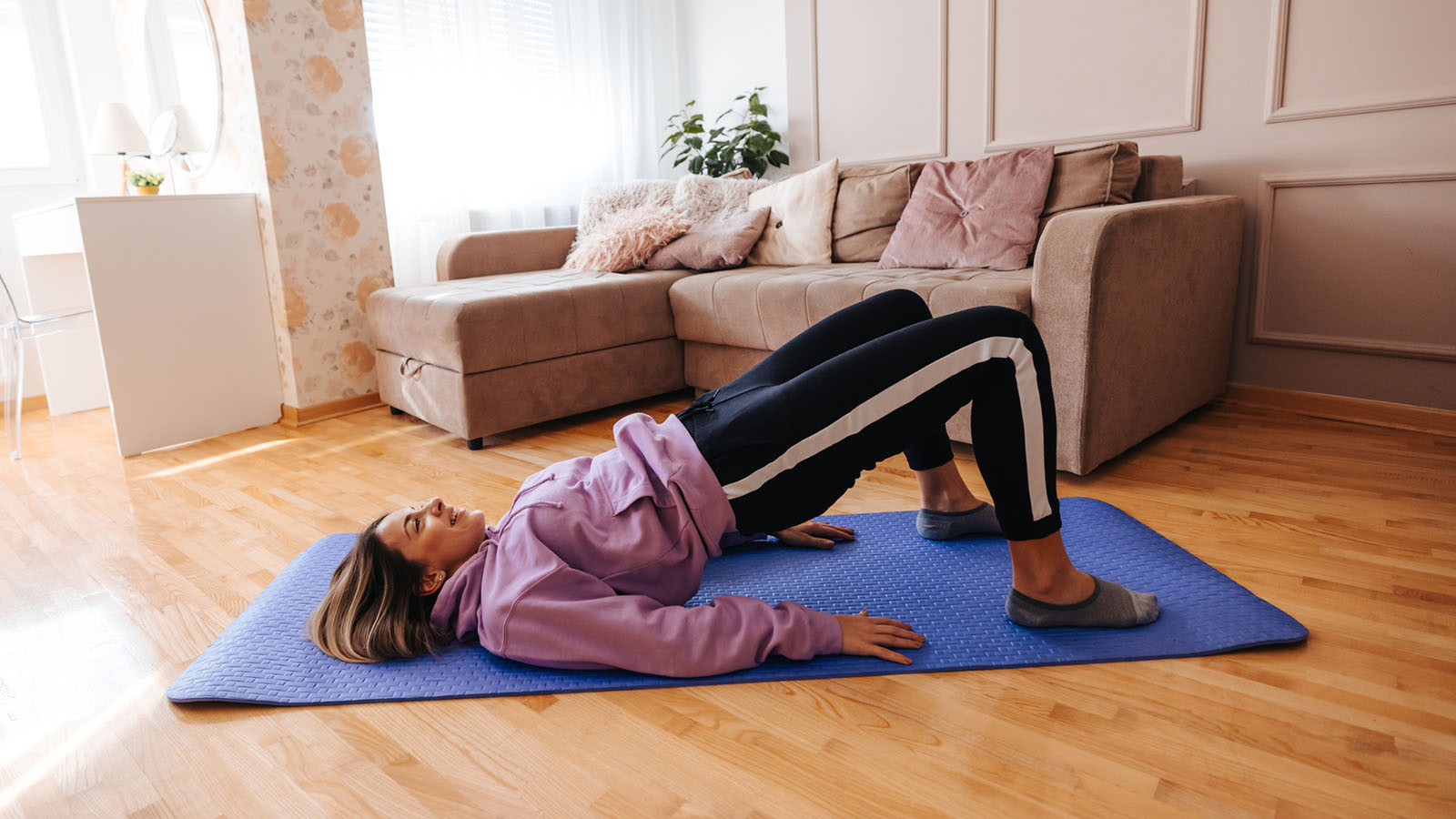
When we hear the word “core,” we often think of the visible muscles of the stomach. We think of sit-ups and “burning” abs. But true core strength is much deeper. It is a functional partnership between your breath, your back, your abdominals, and your pelvic floor. This pelvic floor and core connection is what allows you to lift your groceries, run a 5k, or simply stand tall without pain.
The Deepest Layer: The Transversus Abdominis
Your deepest abdominal muscle, the transversus abdominis (TVA), acts like a natural corset. It wraps around your midsection to stabilize your spine. However, the TVA doesn’t work alone. When you engage your deep core, your pelvic floor should naturally lift in response.
If this connection is out of sync, if the “corset” is tight but the “floor” is weak, your body can’t manage internal pressure correctly. This is often why some people experience leaking or back pain even if they have “strong” abs.
The Pressure Valve System
Think of your core like a balloon. When you squeeze the middle of a balloon, the pressure has to go somewhere, usually up or down. If you “brace” your stomach muscles too hard without engaging your pelvic floor, you are pushing pressure down onto your foundation.
Learning the pelvic floor and core connection means learning how to manage this pressure. Instead of “sucking in” your stomach, we focus on a “zip-up” feeling that starts at the pelvic floor and travels upward.
Why “Crunches” Aren’t the Answer
Traditional crunches often put excessive pressure on the pelvic floor. For many women in their mid-20s, high-intensity core workouts can actually cause more tension than strength. By focusing on functional movements—like breathing while moving—you strengthen the entire system together.
To understand why this connection is so vital, we look at the science of “synergy.”
Research published in the Journal of Electromyography and Kinesiology confirms the “co-activation” of these muscles. The study shows that the pelvic floor and the deep abdominals almost always fire at the same time in a healthy body. If you want a stronger core, you cannot ignore the floor.
Source: Co-activation of the abdominal and pelvic floor muscles (PubMed)