When we think about our bodies, we tend to focus on what we can see in the mirror: our skin, our posture, or the muscles we work out at the gym. But there is a deeper foundation, one that is quietly supporting every step, breath, and laugh you’ve ever taken. This is your pelvic floor.
More Than a Muscle: A Responsive Cradle
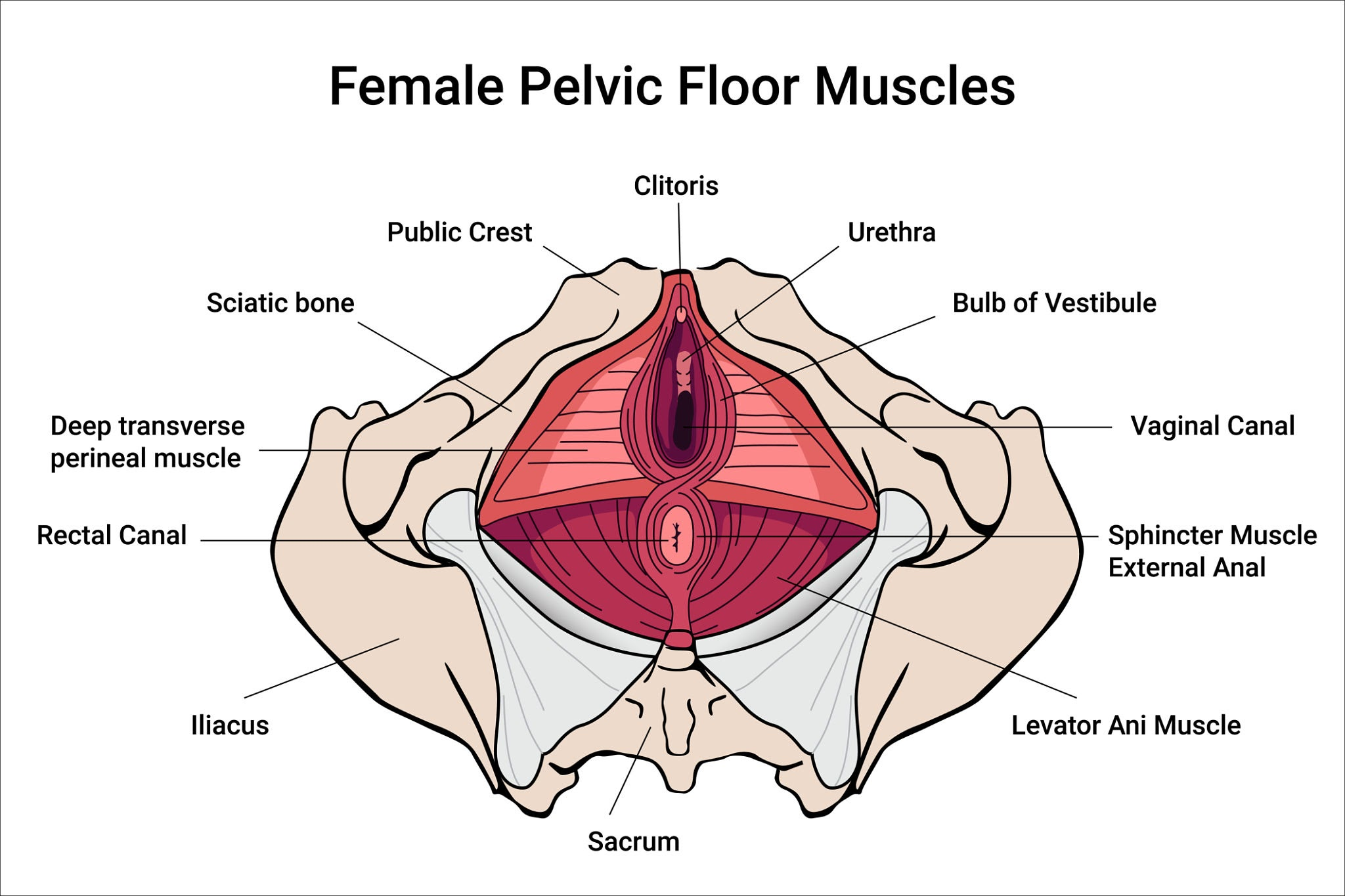
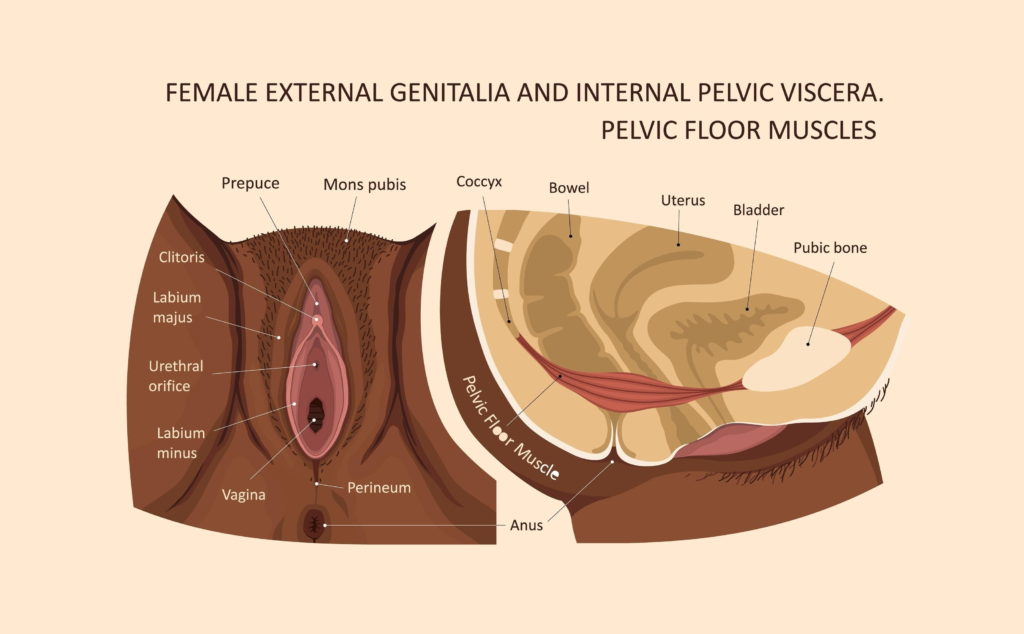
If you place your hands on your hips, you can feel the sturdy bones of your pelvis. Inside that space lies a muscular “cradle.” This isn’t just a single, flat muscle; it is a complex, three-dimensional web of fibers that weave together to support your internal organs—your bladder, your bowel, and your uterus.
What makes this anatomy so special is its responsiveness. It isn’t a rigid shelf; it’s a dynamic system. When you move, it adapts. When you lift something, it stabilizes. It is the literal base of your core stability, working in total harmony with your back and your abdominal muscles to keep you feeling centered and strong.
The Rhythm of the Breath
One of the most beautiful parts of your internal anatomy is how it “dances” with your breath. Your pelvic floor and your diaphragm (the muscle below your lungs) are like two sides of the same coin.
As you breathe in, your pelvic floor gently softens and moves downward. As you breathe out, it naturally lifts back up. This subtle, rhythmic pulsing is happening thousands of times a day. This is why pelvic floor health is so deeply tied to your nervous system. When we are stressed or holding our breath, this natural rhythm can get “stuck,” which is often why we start to feel tension in our lower body.
The Three Layers of Your Foundation
While it feels like one unit, your anatomy is actually organized into three layers, each with a specific role in your everyday movement:
- The Surface Layer: This layer is involved in your most intimate functions and acts as the final point of support for the body’s outlets.
- The Middle Layer: This layer acts as a coordinator, helping to manage internal pressure when you move, jump, or cough.
- The Deep Layer: This is the heart of your support system. These are the larger, powerful muscles that do the heavy lifting of holding your organs in place and providing that feeling of “being held” from the inside out.
Why Awareness Changes Everything
Understanding your anatomy isn’t about memorizing a medical map; it’s about coming home to your body. When you realize that your pelvic floor is a three-dimensional cradle connected to your breath and your core, you stop seeing it as something to “fix” and start seeing it as something to nurture.
Whether you are navigating your mid-20s or simply looking for long-term comfort, knowing how this foundation works allows you to move with more grace and less fear.